
AALI STRATEGIC APPROACH
Driving Agricultural Transformation Through Trade, Innovation & Youth Leadership “Trade not Aid”
AALI delivers integrated, market-driven agricultural transformation models that strengthen productivity, empower youth, and accelerate private sector growth. Our approach connects policy, production, markets, and innovation into a unified system designed for long-term competitiveness.
OUR IMPLEMENTATION MODELS
Youth Brigade
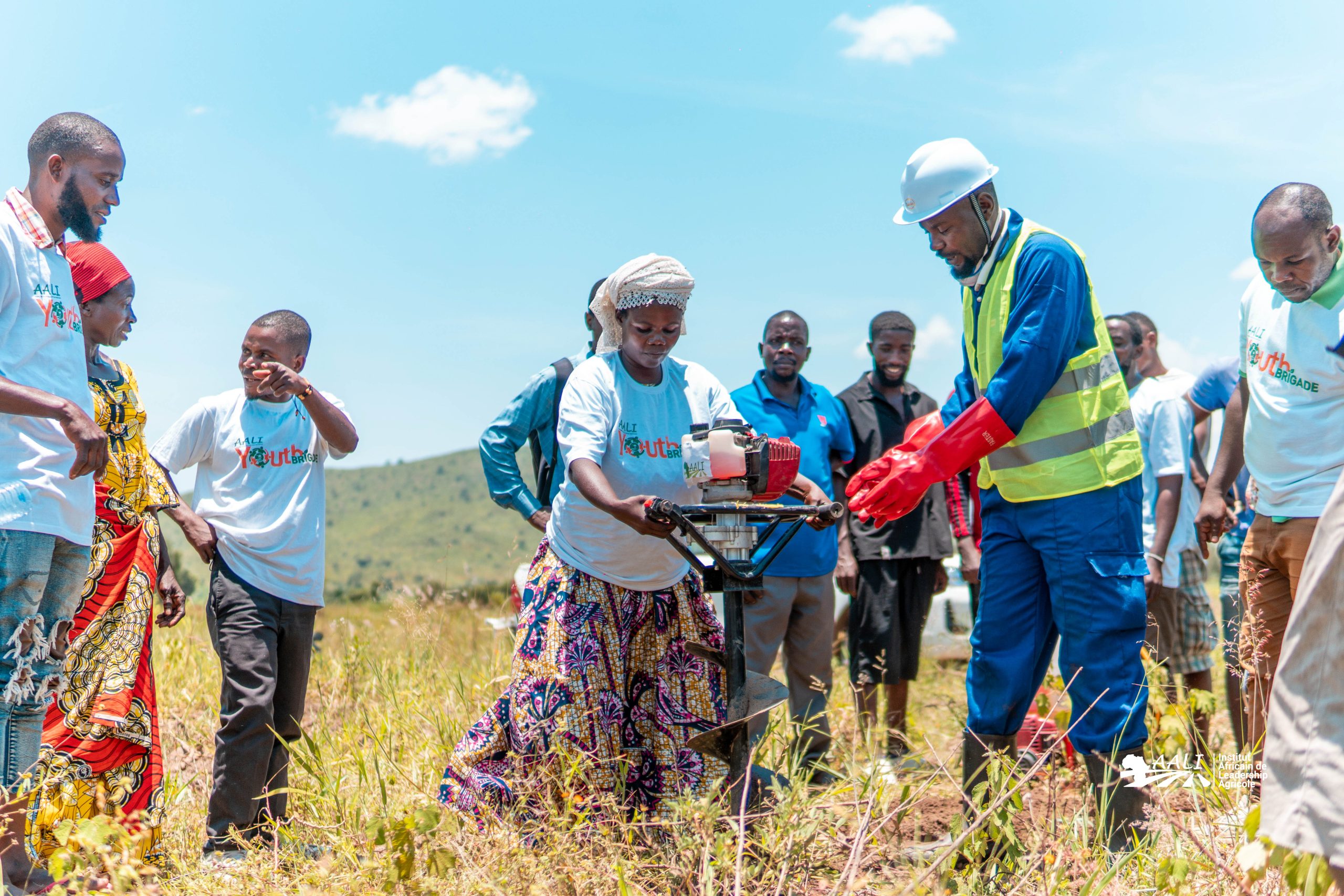
The Youth Brigade is a flagship and transformative model that mobilizes young people as agricultural champions and frontline extension agents. Designed to complement and strengthen national agricultural extension systems, the model delivers comprehensive advisory services, technical training, and continuous farm-level support to smallholder farmers and agribusiness actors.
At its core, the Youth Brigade operates through a bundled service delivery approach, integrating extension advisory services, input facilitation, mechanization access, digital tools, market linkages into a coordinated package. Rather than offering fragmented interventions, the model provides farmers with end-to-end support across the entire value chain—from production planning to post harvest operation.
The Youth Brigade operates through five specialized technical departments that provide targeted value chain–based support:
1. Crop Production
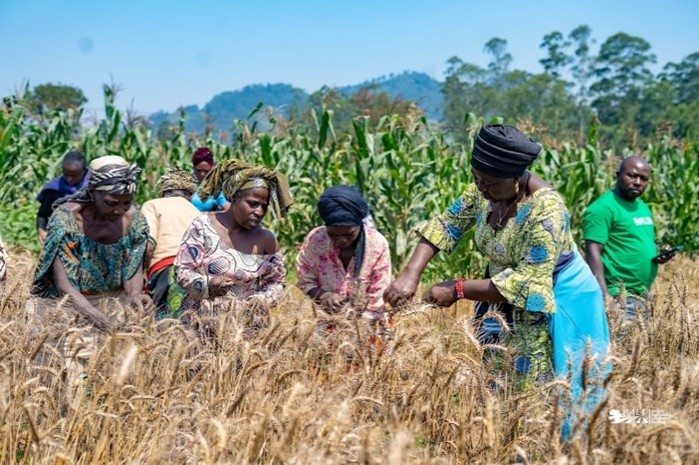
This department promotes the adoption of Good Agricultural Practices (GAP) in land preparation, planting, crop management (weeding integrated soil fertility management as well as pest and disease management, etc.) and sustainable production systems. Emphasis is placed on climate-smart, market-oriented production techniques that meet domestic and export standards.
2. Animal Production
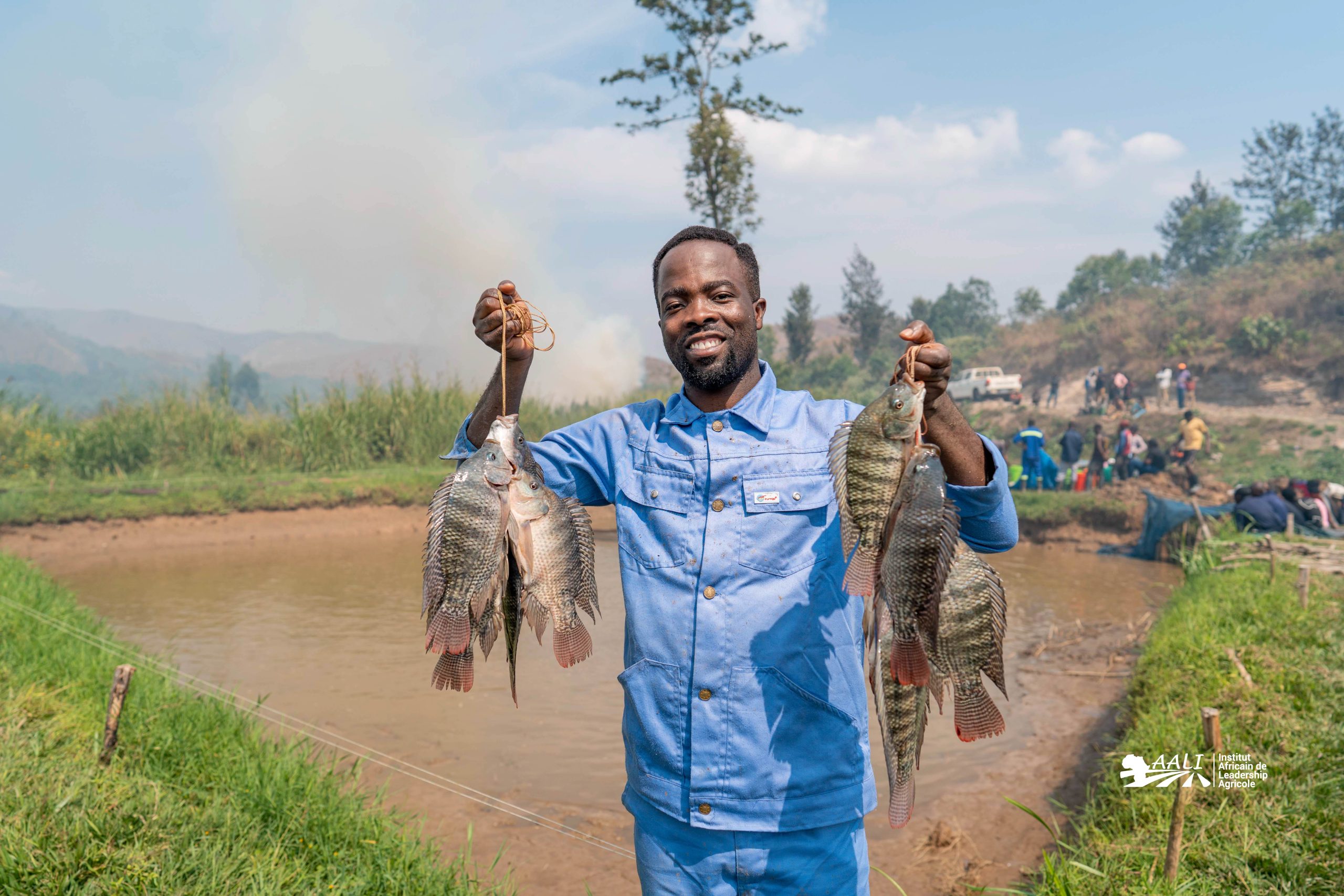
Focused on livestock and aquaculture, this department promotes best practices in husbandry, animal and human nutrition, breeding, biosecurity, and animal disease management to enhance productivity, profitability, and compliance with trade and food safety requirements.
3. Value Addition
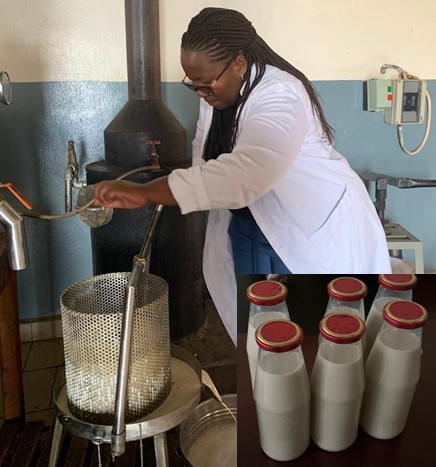
To reduce post-harvest losses and increase farmer incomes, this department introduces post-harvest technologies, processing techniques, packaging, branding, quality certification, and product standardization. The goal is to move farmers beyond raw commodity sales into higher-value market segments.
4. Mechanization
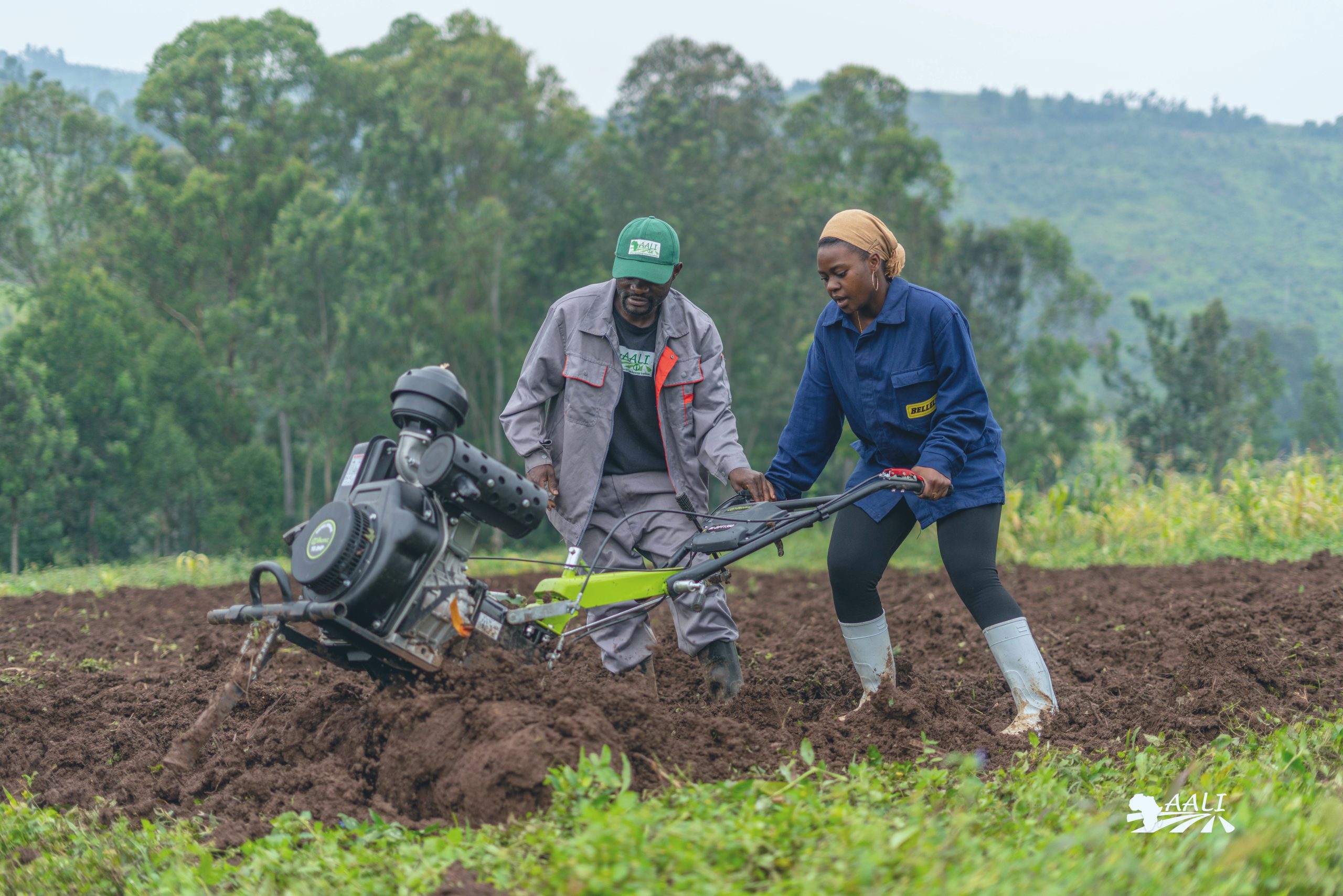
This unit provides training on the efficient use, maintenance, and leasing of farm machinery. By improving access to mechanization services, it reduces the painfulness caused by the use of rudimentary tools, enhances labor productivity, reduces production costs, and strengthens commercial competitiveness across value chains.
5. Agricultural vocational
Agricultural vocational training equips student in secondary with practical, market-oriented skills in modern farming, agribusiness management, mechanization, and value addition. Introducing agricultural vocational education at an early stage particularly at secondary school levelhelps build interest in agriculture as a viable and profitable career path. Early exposure strengthens technical competencies, entrepreneurial mindsets, and innovation capacity, while also addressing negative perceptions of agriculture among young people. By starting early, young people develop hands-on experience, business skills, and confidence, positioning them to actively participate in structured agricultural markets and contribute to long-term rural transformation.
Outreach Model
AALI serves as a strategic bridge between research institutions and farming communities and steps in where traditional extension systems no longer operate. Through the Outreach Model, proven technologies developed, tested and validated by research centers are translated into practical, field-level applications at scale.
Technology transfer and uptake is driven by the Youth Brigade through demonstration plots, farmer field schools, hands-on coaching, and continuous advisory services. Farmers adopt climate-smart, productivity-enhancing practices that improve yields and product quality and through value addition, enhance access to local and regional markets
The result is scalable technology adoption at scale, stronger inclusion of women and youth, and sustainable integration into competitive agricultural markets.
Inclusive Block Farming / Outgrower Model
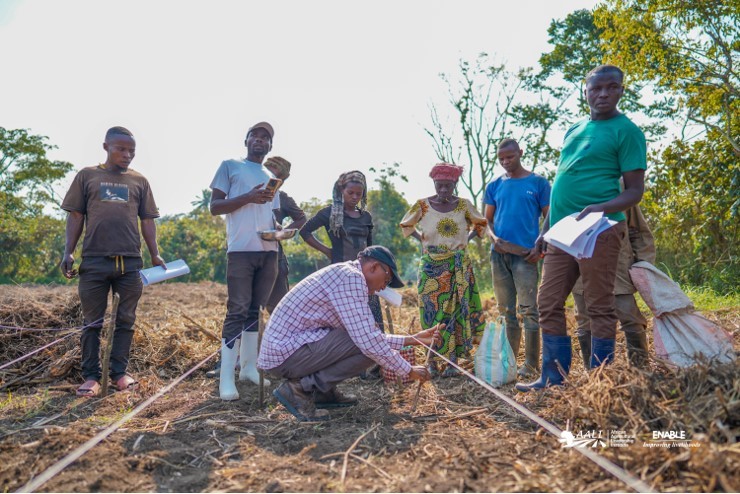
The AALI Block Farming Model is an inclusive and scalable production framework that organizes smallholder farmers, youth, and women into coordinated production clusters operating within structured, and well determined market outlets.
Although farmers retain ownership and management of their individual plots, they participate in coordinated production planning, shared service delivery, collective input procurement, and joint marketing arrangements. Through structured off-take agreements and contractual buyer partnerships, farmers benefit from economies of scale, improved access to quality inputs, reduced transaction costs, stronger bargaining power, and reliable forward market linkages.
In areas where land access presents a constraint, AALI facilitates secure and transparent contractual land arrangements in partnership with public and private concessionaires. This creates structured pathways for youth and emerging farmers to enter and participate in commercial agriculture.
By integrating production with aggregation, processing, and market access, the Block Farming/Outgrower Model accelerates the shift from subsistence farming to competitive, trade-driven agricultural systems. It increases productivity, reduces production and market risks, and improves farmer incomes through predictable and structured market access.
Beyond production support, the model connects farmers to aggregation centers, processors, exporters, buyers, and financial institutions ensuring that productivity gains translate into active participation in structured markets, enhanced trade integration, and sustainable income growth.
Agro-Input and Service Centers Model
A lapidated rural infrastructure and limited venture of agro-input dealers have resulted in very low access to quality agricultural inputs remains a major barrier to productivity, profitability, and competitiveness. To address this constraint, AALI establishes Agro-Input and Service Centers as integrated service hubs that provide essential inputs, mechanization services, and technical support within a coordinated delivery system and complements other initiatives that aim to restore the rural infrastructures
Fully aligned with the Outreach and Block Farming models, these centers that can rely on the services of the youth brigades will ensure farmers have timely and reliable access to high-quality seeds, fertilizers, and planting materials; small-scale mechanization and equipment rental services; machinery for land preparation, planting, irrigation, harvesting, and post-harvest handling; as well as technical guidance to ensure the safe, efficient, and climate-smart use of equipment.
The centers integrate inputs, services, market information, and advisory support in one location to reduce bottlenecks, lower costs, and improve efficiency. They also act as business hubs that facilitate mechanization and value addition, strengthening farmers’ market participation and accelerating agricultural transformation in rural area.
Country Advisory Services
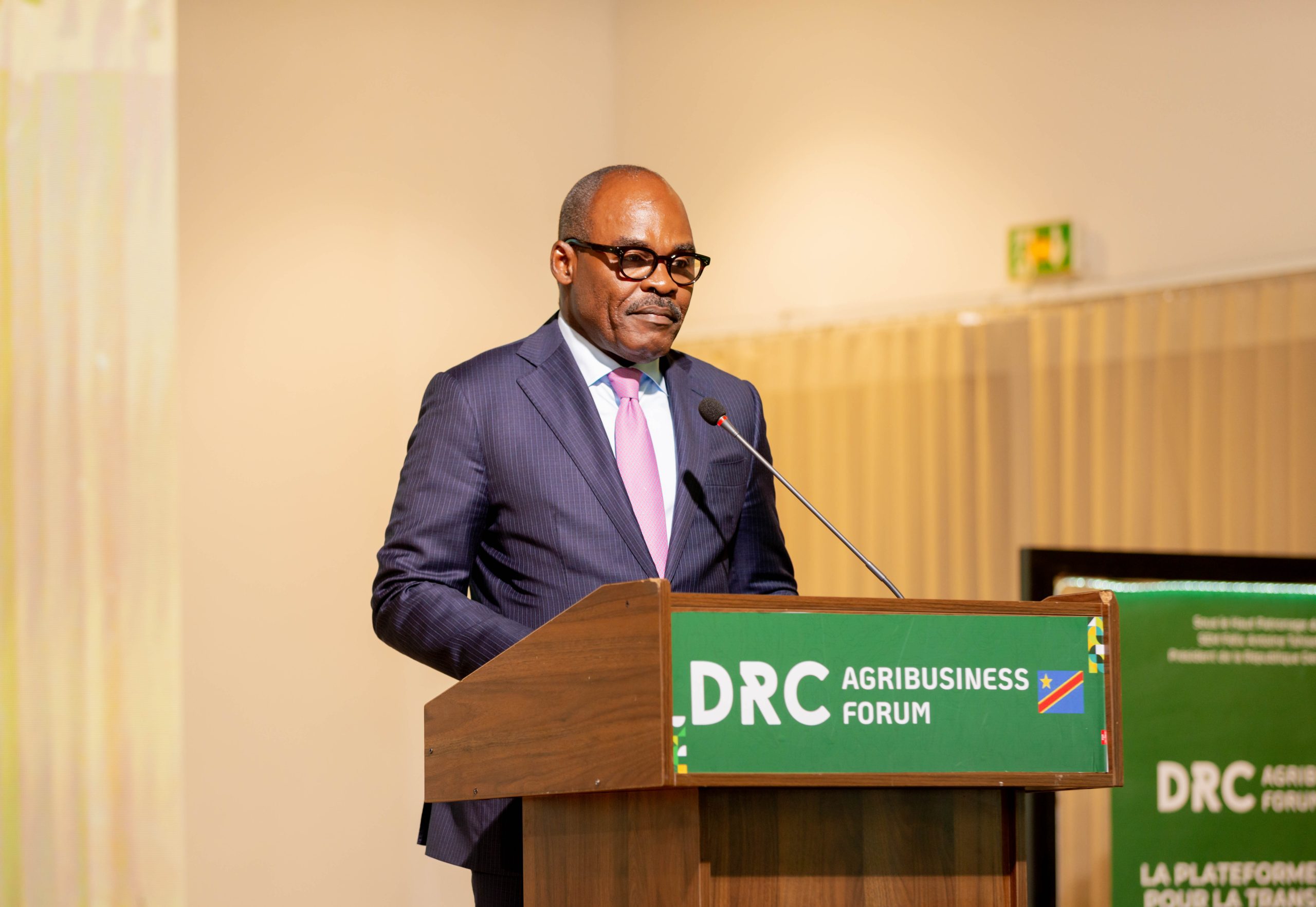
AALI’s Country Advisory Services supports governments in designing and implementing agricultural transformation agendas rooted in competitiveness and trade integration. A good example of AALI’s core competency lies in its ability to nurture dialogue in developing a sustainable seed system that is linked directly to some of its interventions in the country.
Through evidence-based policy analysis, strategic advisory support, and facilitation of country and regional multistakeholder dialogues as well as of cross-country learning, the service strengthens national capacity for informed decision-making. It advocates for and supports reforms that improve value chain coordination, agribusiness development, export readiness, investment promotion, and private sector participation.
By grounding strategies in proven, market-driven models, the advisory service promotes sustainable sector reforms, institutional strengthening, and long-term agricultural competitiveness.