

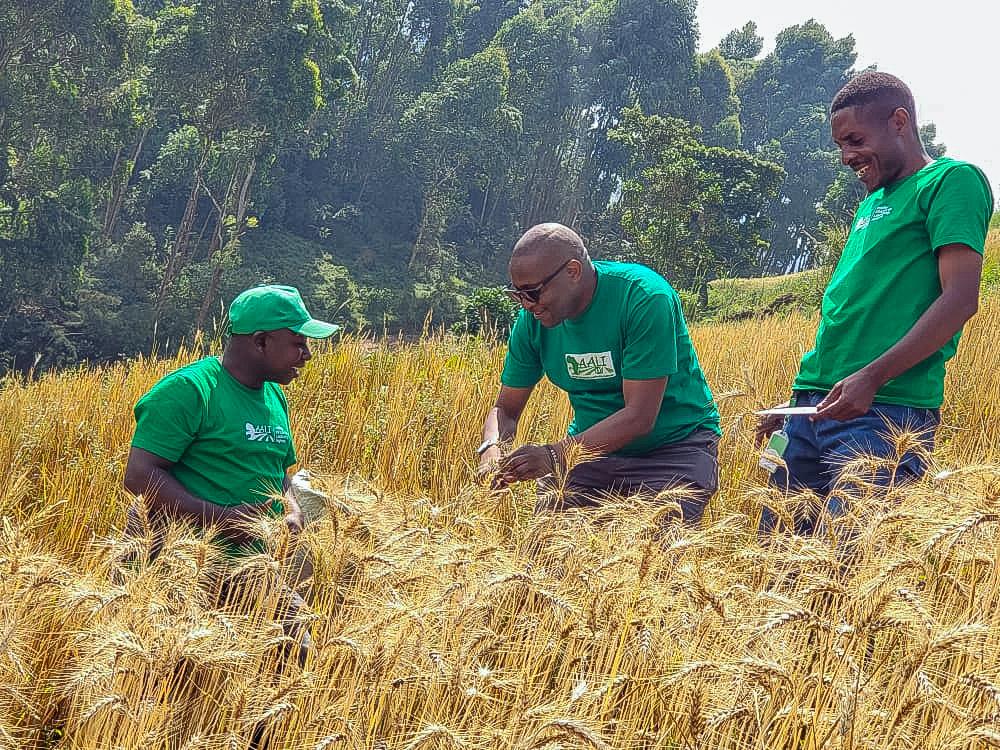
A multidisciplinary team from the African Agricultural Leadership Institute (AALI) conducted a field visit in Lubero as part of the ongoing agricultural recovery program implemented in partnership with the International Institute of Tropical Agriculture (IITA) and the Virunga Foundation. The mission aimed to assess progress on key crop activities—wheat, maize, and soybean—on the ground and gather insights for the next phase of program implementation.
During the visit, technical teams observed encouraging signs of productivity improvement and the adoption of improved agricultural practices by local producers. A key factor in these advancements is the promotion of small-scale mechanization, which is helping to reduce labor intensity, strengthen post-harvest handling, and support more resilient food production systems in Lubero.
The field visit focused on evaluating the implementation of activities, understanding performance trends, and identifying areas where technical support can be enhanced. By bringing together field evidence and strategic analysis, AALI and its partners aim to inform planning for the second cropping season and ensure continuity of interventions that support local farming communities.
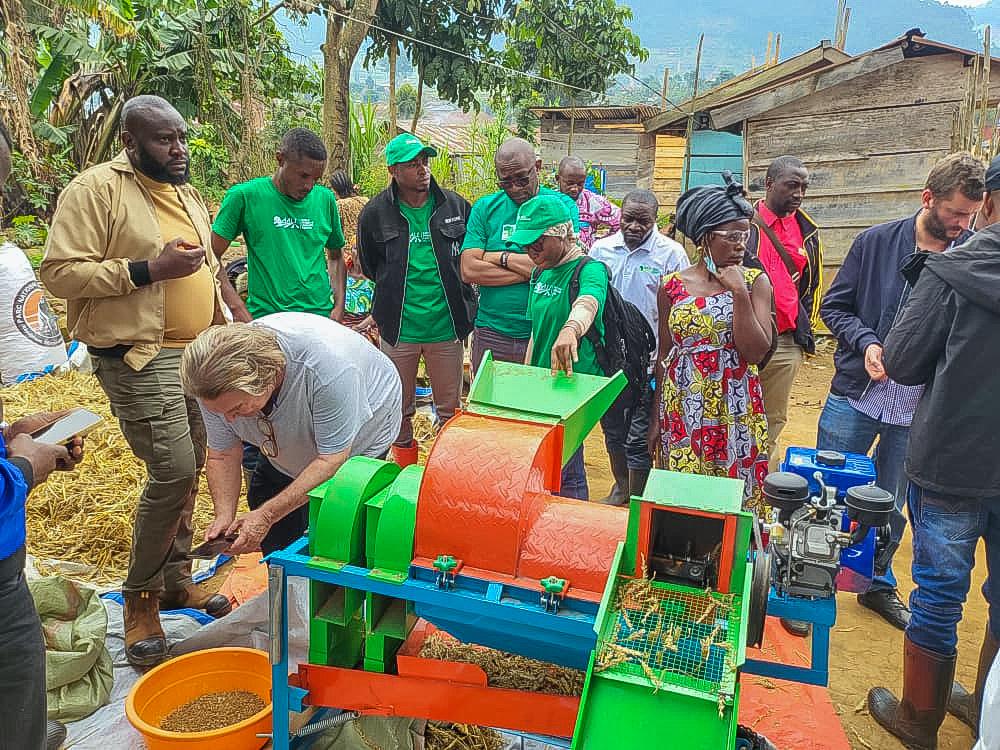
This monitoring mission reinforces AALI’s commitment—alongside IITA and the Virunga Foundation—to strengthening agricultural value chains, promoting innovation, and supporting youth inclusion in agribusiness, even in contexts where rural farmers face multiple challenges.
The visit also highlighted how practical engagement with producers and real‑time observation of crop performance can help tailor technical support to local realities. The mission’s findings will contribute to refining extension approaches and enhancing outreach to farmers across the region.
As the program continues to evolve, AALI and its partners remain focused on delivering long‑term impact for rural communities by promoting sustainable practices, improving productivity, and enabling farmers to contribute meaningfully to local food systems and economic development.