

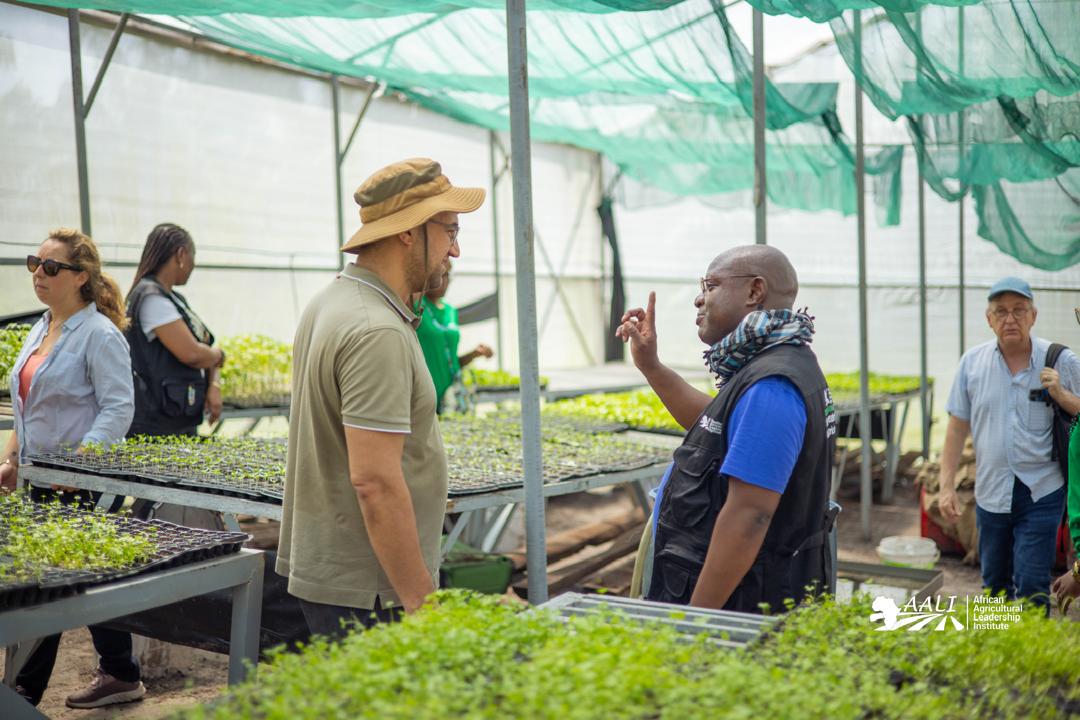
A youth training program in modern horticulture is moving forward at Mbakana in the Maluku municipality as part of the African Agricultural Leadership Institute’s (AALI) efforts to equip young agripreneurs with practical skills and entrepreneurial capacity. This field visit took place recently with teams from Enabel and the Belgian Embassy, hosted by AALI’s partner Yaseka, marking an important milestone ahead of the official program launch.
During the visit, partners toured the modern production facilities that will serve as the training site for the first cohort of 24 recruits. Discussions also focused on final preparations for the program launch, presentation of the training model, and exploration of new collaboration opportunities to strengthen horticulture training for young people in Kinshasa.
This initiative reflects AALI’s continued commitment to expanding practical agricultural training for youth. By introducing modern horticultural practices and tools in an urban setting, young participants will gain hands‑on experience in sustainable production techniques, business planning, and market‑oriented farming methods—skills that are essential for building viable agribusinesses and contributing to local food systems.
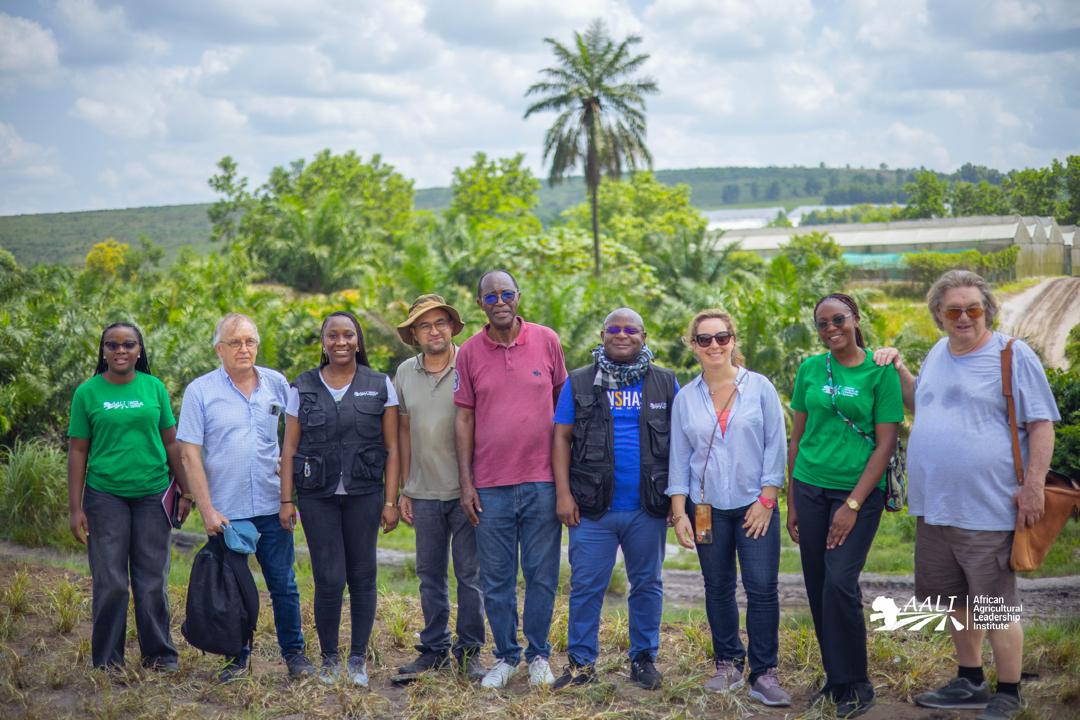
The engagement of partners such as Enabel and the Belgian Embassy highlights the importance of multi‑stakeholder cooperation in advancing youth‑focused agricultural training that is both innovative and inclusive. Together, these collaborations broaden the scope of agribusiness opportunities for young people and reinforce AALI’s mission to support youth empowerment and leadership development in agriculture across the Democratic Republic of Congo.
The modern horticulture program at Mbakana is set to open new pathways for young women and men to enter agriculture as a career, strengthening their technical competencies while fostering entrepreneurial mindsets. As preparations continue, AALI and its partners remain focused on ensuring that this initiative delivers real benefits for youth, communities, and the wider agricultural sector in Kinshasa and beyond.