

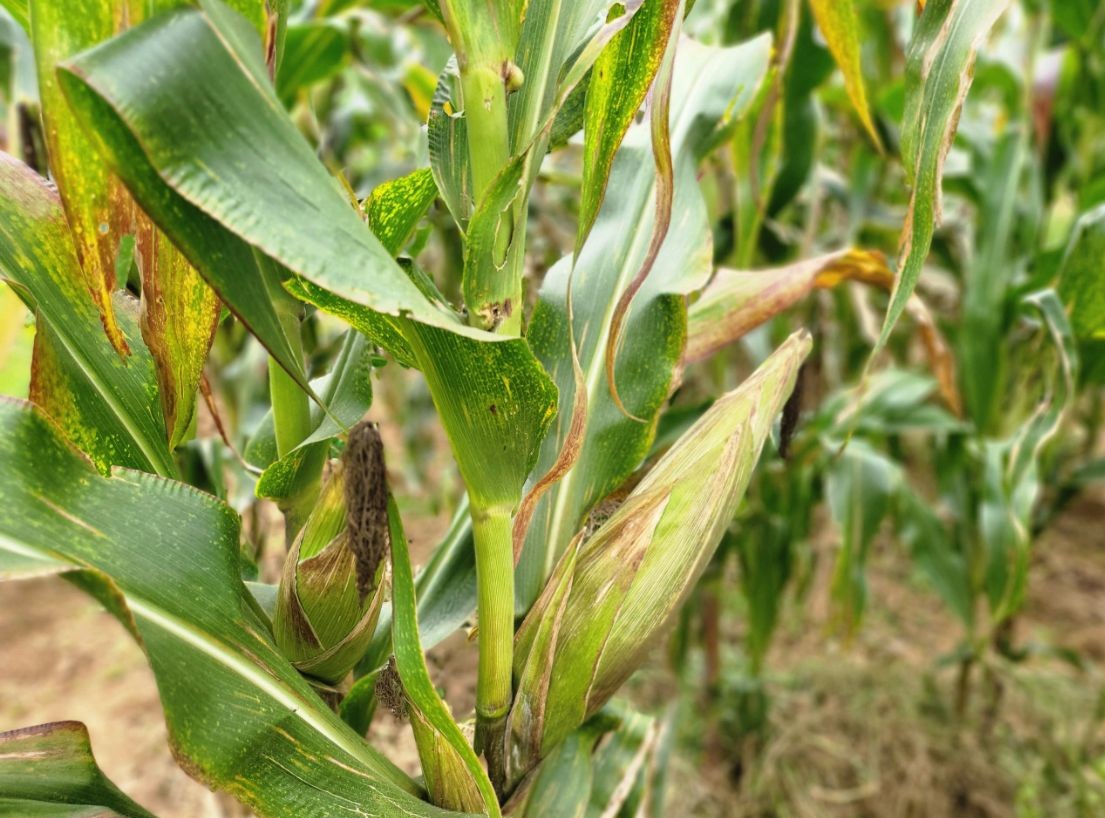
In the highlands of Lubero, a strategic partnership between AALI, IITA, and the Virunga Foundation is advancing practical solutions to strengthen agricultural incomes and food security. Through the introduction and testing of improved maize varieties, the consortium is reinforcing the foundations of resilient farming systems rooted in local realities.
This initiative is built on a Participatory Variety Selection (PVS) approach, ensuring that farmers themselves evaluate and compare different maize varieties under real field conditions. Alongside the traditional “Bazooka” variety, improved lines such as Longe 10, ETGM601, and DK777 are being cultivated and assessed for yield potential, adaptability, and resistance to local climatic and agronomic constraints.
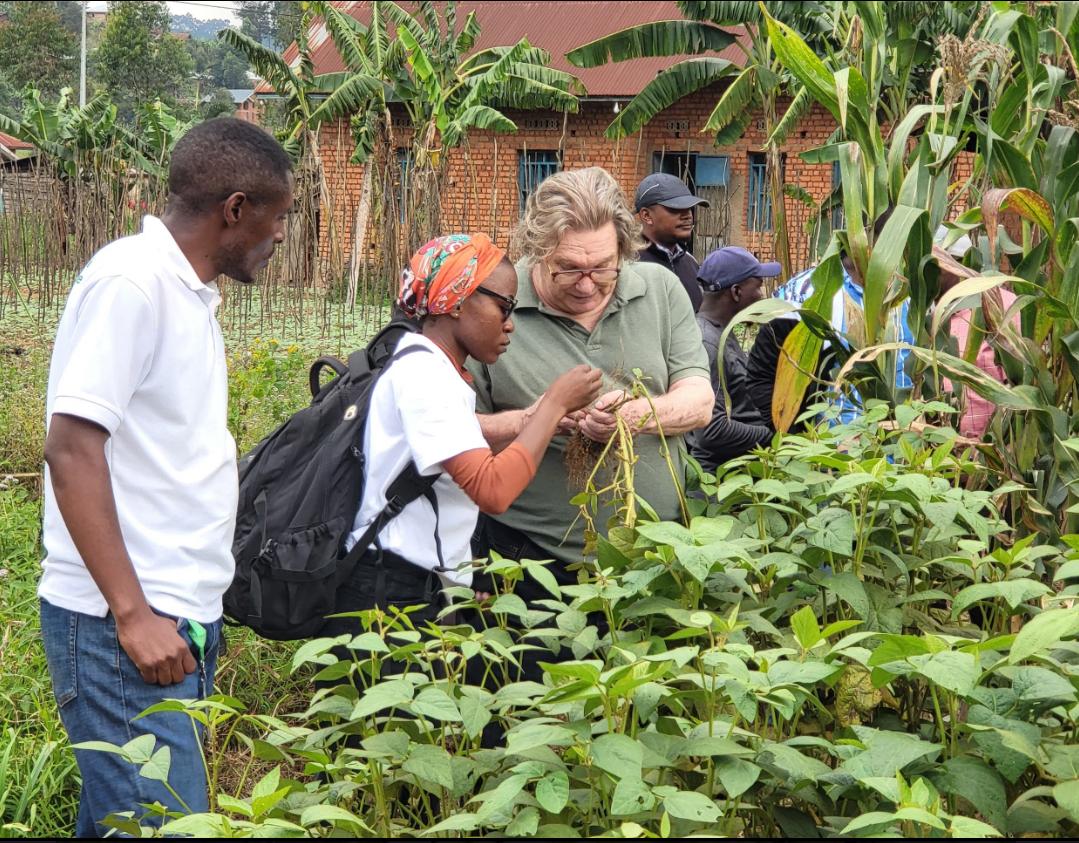
Rather than imposing external solutions, the program places producers at the center of innovation. Farmers observe crop performance, share feedback, and collectively identify the varieties best suited to their needs. This inclusive methodology strengthens local ownership, enhances technical capacity, and accelerates the adoption of improved seeds that can sustainably raise productivity.
Beyond maize, the initiative also promotes crop diversification, including soybean demonstration plots, to improve soil fertility, nutrition, and household income streams. By combining scientific expertise, field-based experimentation, and community engagement, the consortium is fostering an integrated model of agricultural transformation.
This collaboration reflects AALI’s mission: empowering African farmers through science-driven innovation, strategic partnerships, and practical capacity building. It demonstrates how coordinated action between research institutions, conservation actors, and local communities can unlock agricultural potential while contributing to long-term socio-economic stability.