

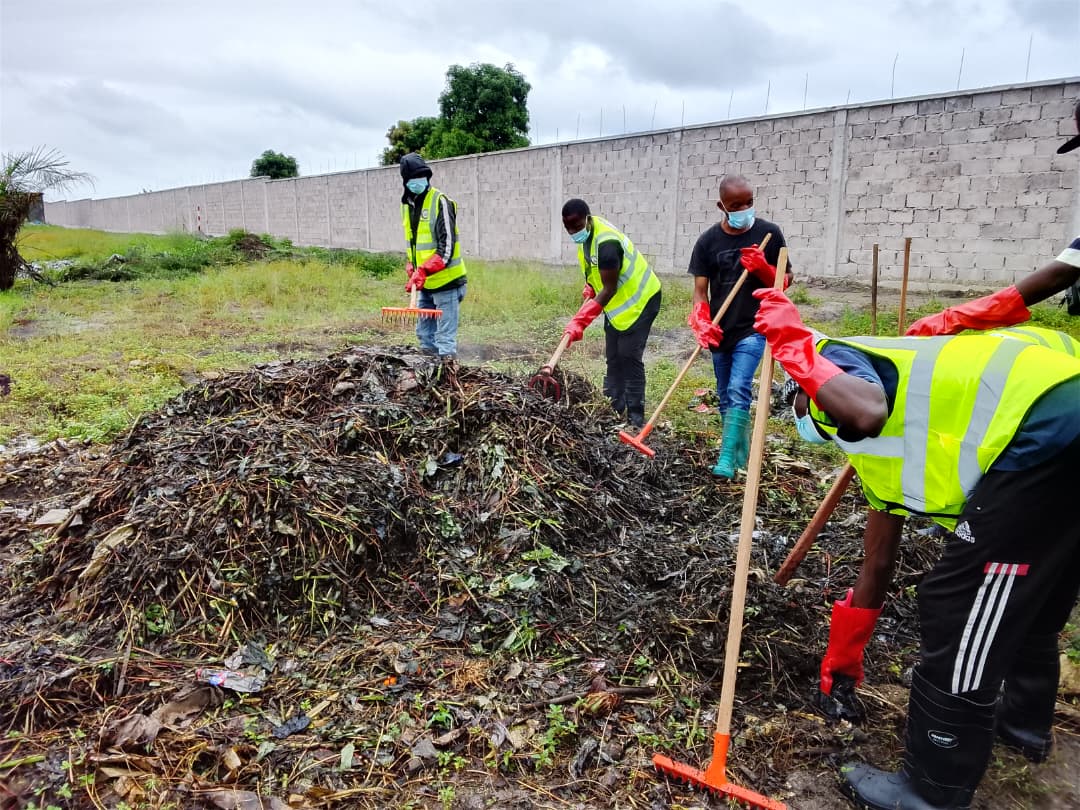
In Kinshasa, a rapidly growing metropolis, waste management represents both a pressing challenge and a strategic opportunity. The Bongola Fulu-Initiative responds to this reality by promoting an innovative and inclusive approach to biowaste recovery, contributing to a cleaner, more sustainable, and resilient city.
In the municipality of Masina, at Indu Market, a first concrete milestone has been achieved: 12 tons of biowaste have been collected and are currently being composted. This simple yet transformative process demonstrates the potential of a circular economy tailored to local realities in Kinshasa, Democratic Republic of Congo.
Throughout April, collection efforts will continue progressively, guided by a clear ambition: to reach 400 tons of biowaste recovered over the project cycle. Beyond these figures lies a broader systemic vision, one that connects waste management, urban agriculture, and job creation.
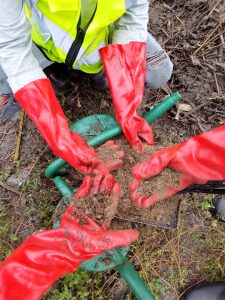 The compost produced will directly contribute to improving soil fertility, supporting urban agriculture initiatives that are vital to the city’s food security. At the same time, the project strengthens urban sanitation by reducing the accumulation of organic waste in public spaces.
The Bongola Fulu Initiative also stands out for its strong commitment to youth employability. By structuring activities around collection, sorting, and composting, it creates new economic and social opportunities aligned with the aspirations of a dynamic Congolese youth.
With the help of dedicated partners like the Brussels-Capital Region and Rikolto, the initiative shows how working together internationally can lead to real change at the local level, turning waste into a valuable resource and promoting teamwork for sustainable growth for both today and tomorrow.