

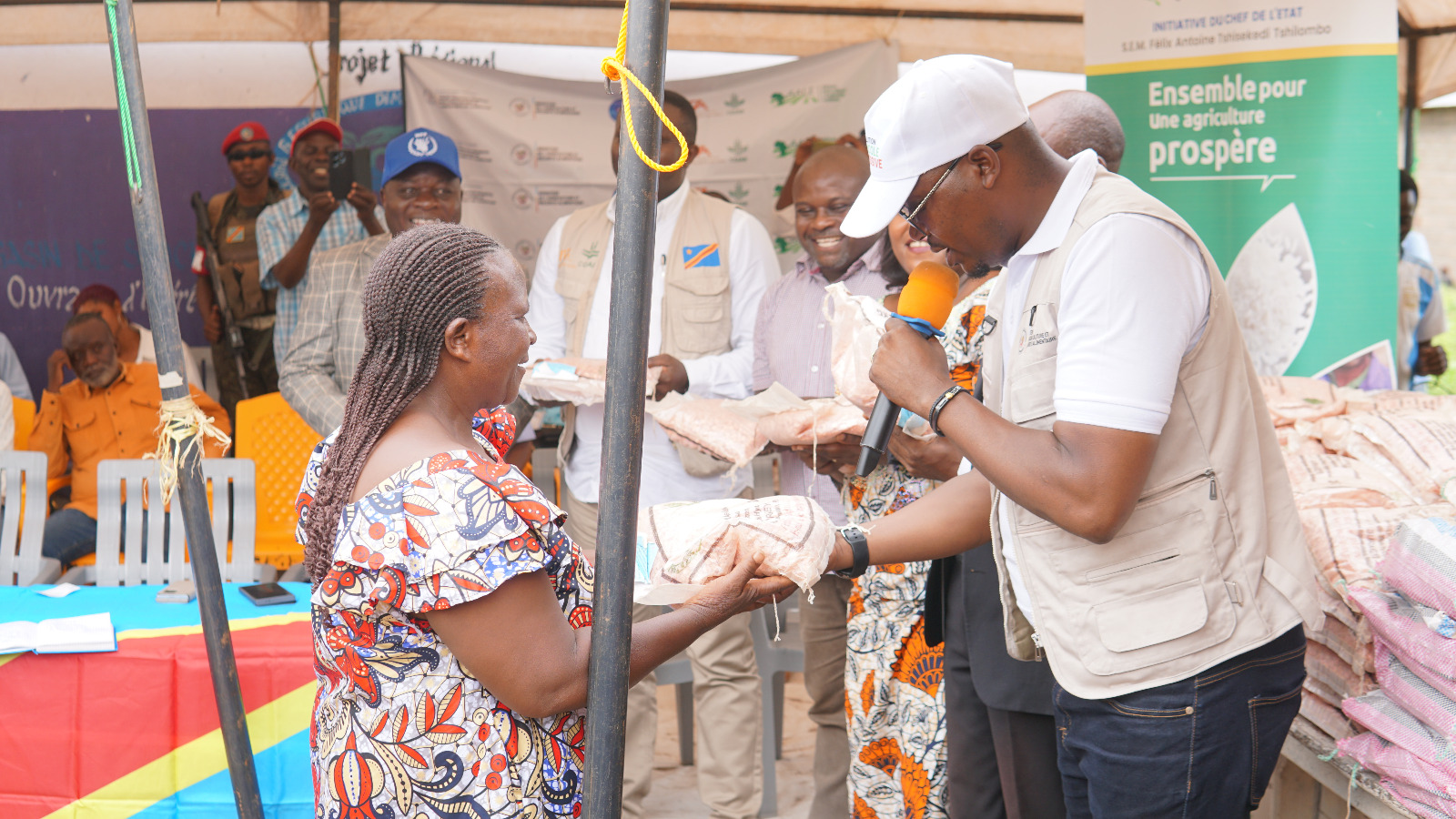
As part of the Agricultural Transformation Agenda in the Democratic Republic of the Congo (ATA-DRC), the 2026 Season B agricultural campaign was officially launched on March 18, 2026, in Kagando, located in the Ruzizi Plain, Uvira Territory, South Kivu Province. This initiative, led by the provincial government, is supported by the African Agricultural Leadership Institute (AALI) and its partners, including the International Institute of Tropical Agriculture (IITA).
The launch was marked by strong participation from local farmers, demonstrating their commitment to using agriculture as a pathway to resilience in the face of ongoing security and socio-economic challenges in the region. On this occasion, 17 tons of improved seeds were distributed to farmers to boost agricultural production and strengthen household food security.
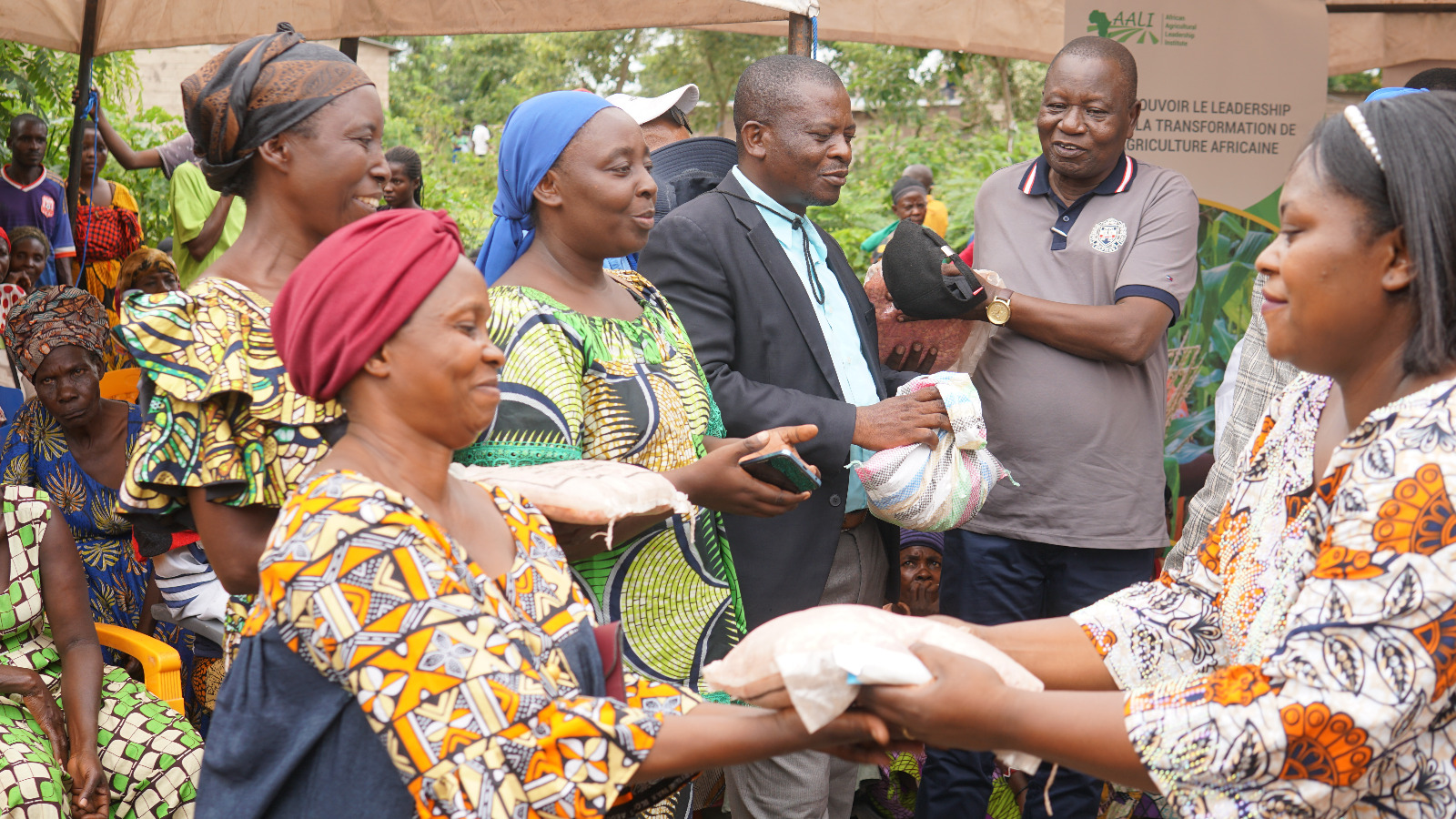
The symbolic handover of seeds, conducted by the Provincial Minister of Agriculture, Fisheries, and Livestock, reflects a broader effort to sustainably revitalize the agricultural sector in the Ruzizi Plain. These high-quality inputs represent a strategic investment in improving yields and promoting a more productive and competitive agricultural system.
For several years, AALI has been supporting smallholder farmers in the region through capacity-building initiatives, improved access to agricultural inputs, and the promotion of good agricultural practices. On the ground, AALI’s technical teams, in collaboration with partners, provide close support to beneficiaries, including training on sustainable farm management and optimal use of improved seeds.
This integrated approach is further strengthened through collaboration with technical and humanitarian partners, particularly the World Food Programme (WFP), ensuring a combination of production support and assistance to vulnerable communities.
Beneficiaries welcomed the initiative, highlighting the critical role of access to improved seeds in enhancing their livelihoods and strengthening household food autonomy.