

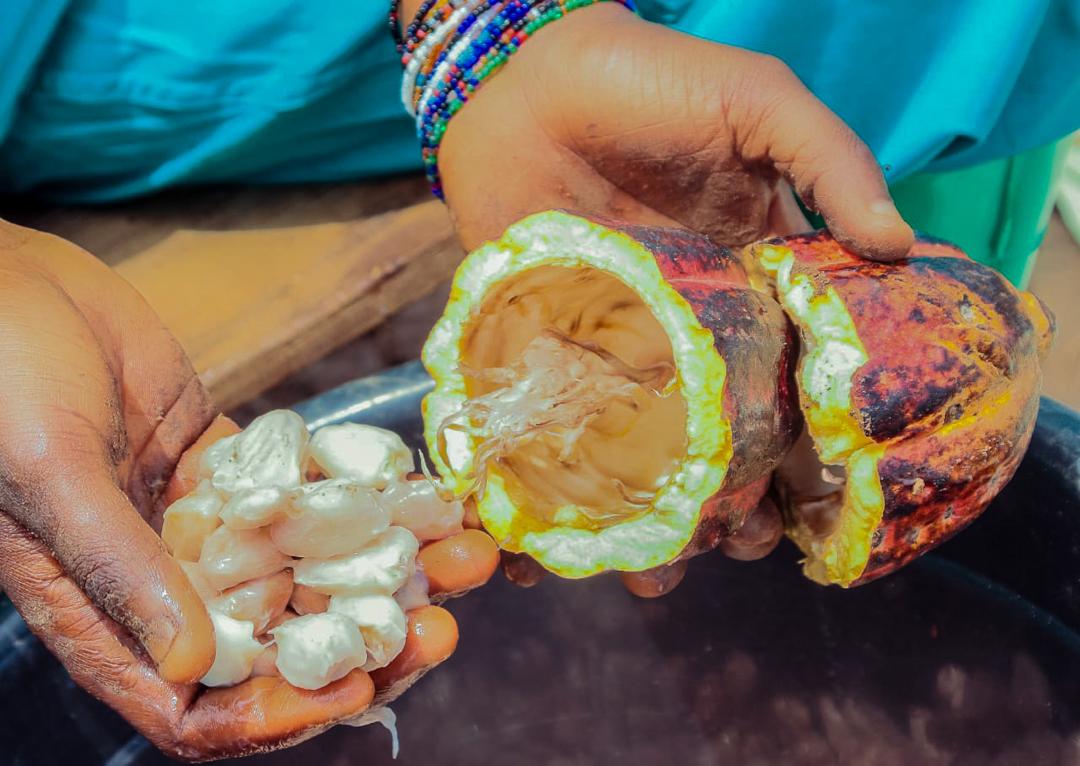
The African Agricultural Leadership Institute (AALI) has intensified its activities in Tshopo Province as part of the Kivu–Kinshasa Green Corridor initiative. In partnership with IFA Yangambi, AALI is supporting the sustainable revival of key cash crops—cocoa, coffee, and oil palm—while strengthening the resilience of rural communities.
Since January 2026, AALI and its partners have achieved tangible results: 15,000 cocoa seedlings produced, 62,208 coffee seedlings planted, and 15,000 oil palm seedlings produced. These achievements reflect the consortium’s commitment to climate-smart, inclusive, and sustainable agriculture that enhances both productivity and household incomes.
Through practical field interventions, AALI combines technical support, seedling production, and community engagement to help farmers adopt improved varieties and resilient farming practices. The initiative ensures that local producers can benefit from modern techniques while contributing to the revitalization of agricultural value chains that are essential for food security and economic development in the region.
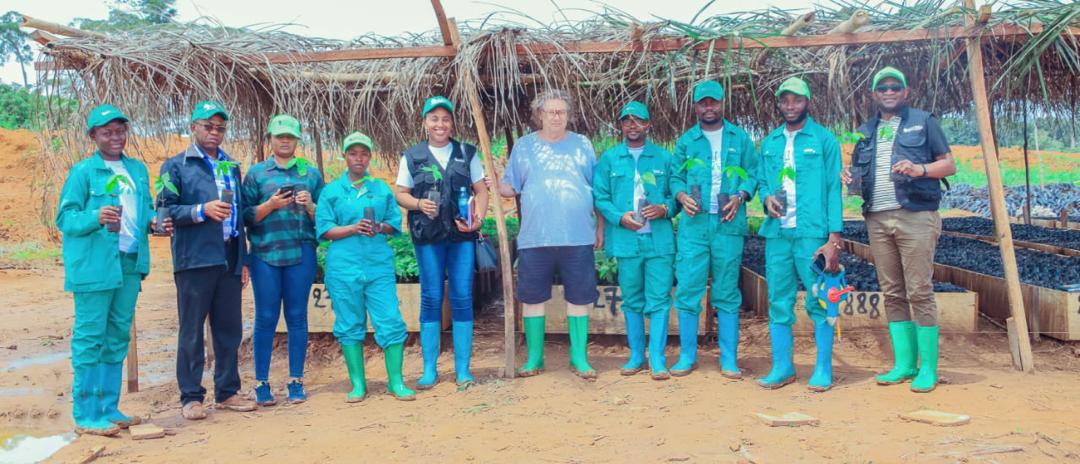
By promoting sustainable cash crop production, the program positions agriculture as a driver of economic growth, job creation, and national food sovereignty. Farmers gain access to high-quality planting material and technical guidance, while youth and women are placed at the center of the agricultural transformation process.
This strategic approach aligns with national development priorities, placing agriculture at the heart of structural transformation in the Democratic Republic of the Congo. The Kivu–Kinshasa Green Corridor serves as a platform to link ecological sustainability, rural livelihoods, and market-oriented agriculture, ensuring that local communities participate in—and benefit from—the emerging green economy.
AALI’s work in Tshopo exemplifies how multi-stakeholder partnerships, field-based innovation, and inclusive support for producers can revitalize local economies, strengthen food systems, and foster long-term agricultural resilience in the DRC.